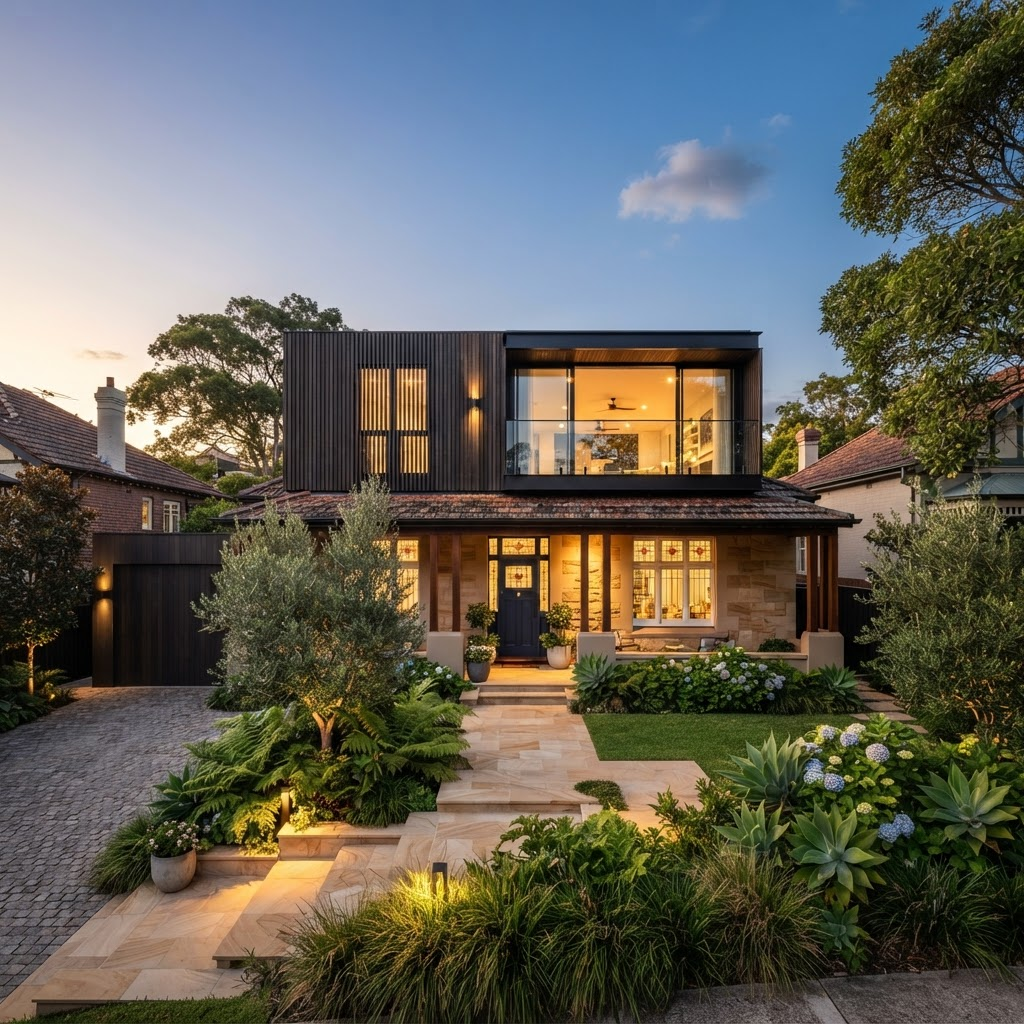
A two-storey Sydney home expanded upwards at golden hour, illustrating the choice between an attic conversion and a second storey extension

Compare Your Options

Attic Conversion vs Second Storey Extension

Two great ways to add space and value to your Sydney home — but which is right for you? Here's an honest side-by-side comparison of cost, value, timing and approval to help you decide.

Same goal, two very different builds

At Inner City Attics we design and build both, so our advice isn't tied to selling one solution. An attic conversion makes the most of the roof space you already own, while a second storey extension adds a whole new level. The right choice comes down to your roof structure, how much space you need, your budget and your timeframe.

Side-by-side comparison

A quick reference for how the two options stack up. Every home is different — use this as a starting point, not a final answer.

Attic Conversion
Second Storey
Typical cost
Lower — from ~$60k (utility rooms) to ~$200k+ (full DA conversions)
Higher — most projects from ~$350k to $600k+
New space created
Uses existing roof volume — one or two rooms
Maximum — a whole new floor of bedrooms, bathrooms & living
Value added
Strong return, especially for bedrooms & offices
Highest uplift — can add a full bedroom/bathroom count
Build time
Faster — 4–6 weeks (utility) to 8–12 weeks (DA)
Longer — approx. 4–7 months on site
Council approval
Often exempt or CDC; DA for bedrooms/structural work
Almost always DA or CDC required
Disruption
Minimal — work is largely contained to the roof space
Higher — roof removal and weatherproofing stages
Best suited to
Homes with useable roof pitch & volume
Homes needing significant extra space or with low/trussed roofs

The questions homeowners ask us most

Which option costs less?

Attic conversions are almost always the more affordable route because they use the roof space you already have — there's no new floor to build or roof to remove. A premium utility room typically ranges from $60,000 to $100,000, while full DA-approved conversions range from $120,000 to $200,000+. Second storey extensions are a larger undertaking, typically starting around $350,000, because you're adding an entire new level with its own structure, roof, services and finishes.
Which adds more value?

Both add value, but a second storey extension generally delivers the largest uplift because it can add multiple bedrooms and bathrooms — the metrics buyers and valuers care about most. That said, in dollar-for-dollar terms an attic conversion often delivers an excellent return, particularly when it turns wasted roof space into a genuine bedroom or home office in a high-demand suburb.

Which is faster?

Attic conversions are considerably faster. Utility rooms can be finished in 4–6 weeks and full conversions in 8–12 weeks. A second storey extension is a major construction project, usually taking 4–7 months on site plus a design and approval period beforehand.

Which requires council approval?

Many attic storage and utility rooms qualify as exempt or complying development, while attic conversions that add bedrooms or involve structural changes usually need a DA. Second storey extensions almost always require a DA or a Complying Development Certificate. In every case, we manage the entire approval process for you.

Can my existing roof be converted?

It depends on your roof's pitch, height and framing. Steep pitched roofs (common on Federation and many freestanding homes) often have enough volume for a comfortable attic conversion. Low-pitched or modern trussed roofs usually don't — which is where a roof lift or second storey extension comes in. A free on-site assessment gives you a definitive answer.

When is a roof lift required?

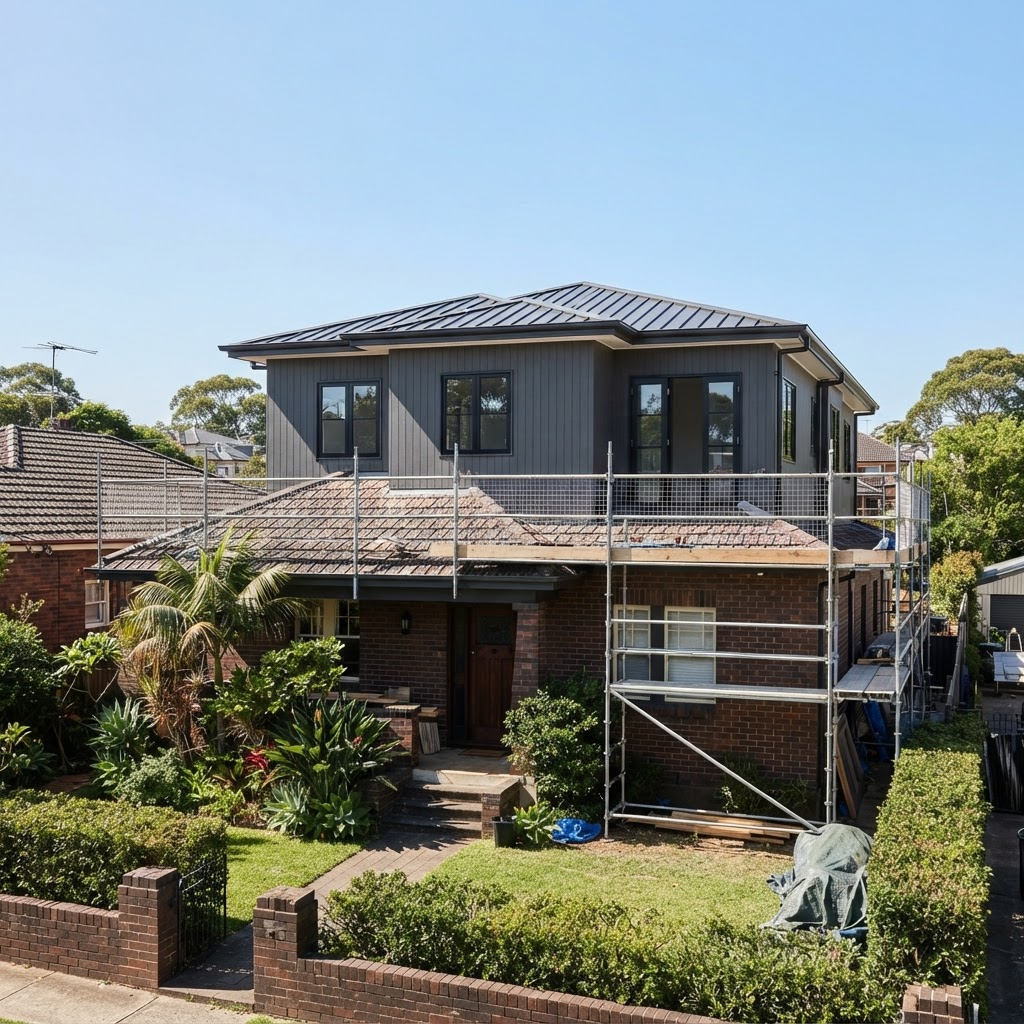
A roof lift sits between an attic conversion and a full second storey. It's the right choice when your home would make a great upper level but the existing roof simply isn't tall enough for legal ceiling heights — typical of California bungalows and some Federation homes. We raise and re-pitch the roof to create full standing height without building an entire new storey from scratch.

Roof lift extension raising the roof of a single-storey Sydney home to create a full new upper level

The Middle Ground

Where a roof lift fits in

Not every home falls neatly into "attic" or "second storey". A roof lift raises and re-pitches your existing roof to unlock full ceiling height — perfect for homes with the footprint for an upper level but a roof that's currently too low, such as California bungalows and some Federation homes.

  • Full standing-height rooms without a complete rebuild
  • Often more cost-effective than a full second storey
  • Keeps much of your existing structure and character

Ready to explore a path?

Attic Conversion

Best when you have useable roof space and want a faster, lower-cost result.

Second Storey Extension

Best when you need a whole new floor of bedrooms, bathrooms and living space.

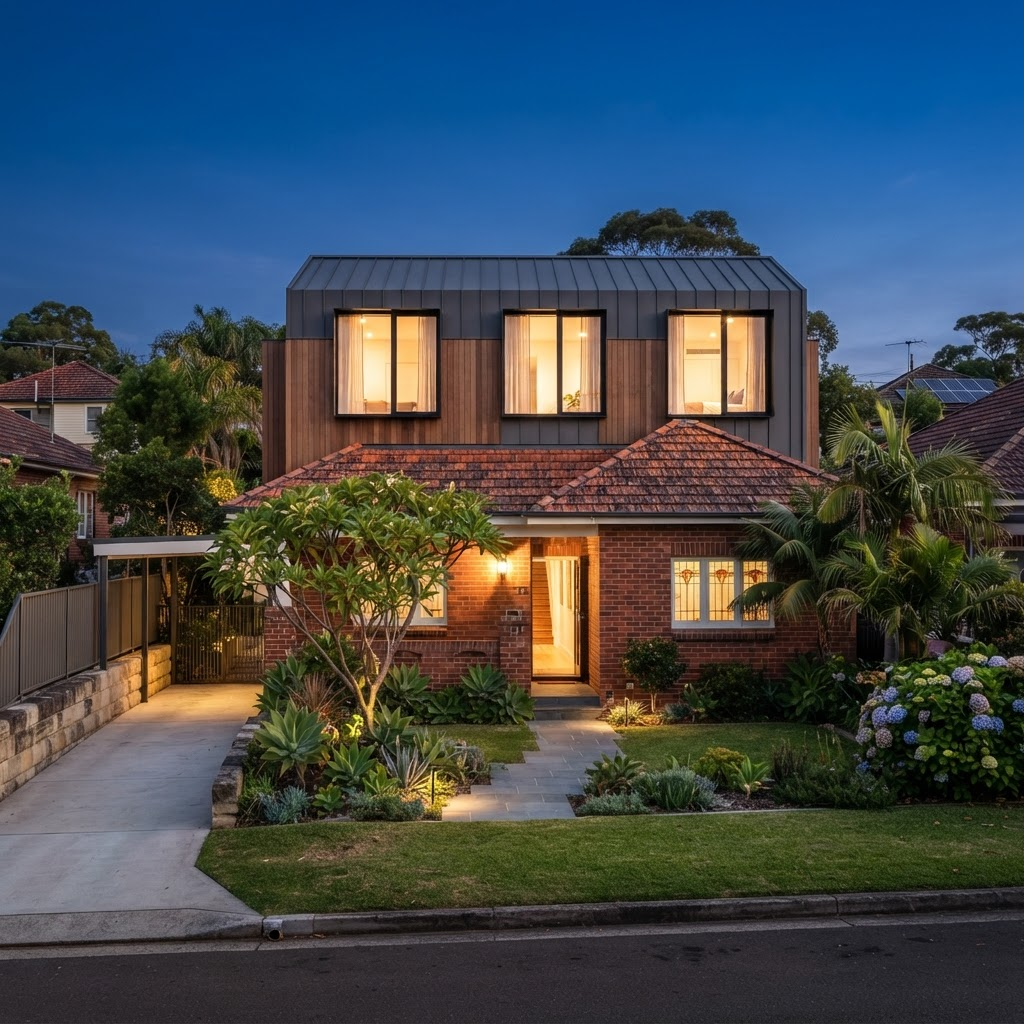
Second storey extension on a Sydney home at dusk by Inner City Attics

Not sure which is right for your home?

Book a free on-site consultation and we'll assess your property, explain your options and recommend the most practical solution based on your roof structure, budget and long-term plans.